From electric mobility to energy storage, climate change to the circular economy, sustainable tech is now a mainstay in major portfolios. GlobalData estimates suggest investment activity in sustainable tech exceeded $12bn in the third quarter of 2021, with venture capital (VC) and private equity pumping $50bn into sustainable initiatives over the whole year.
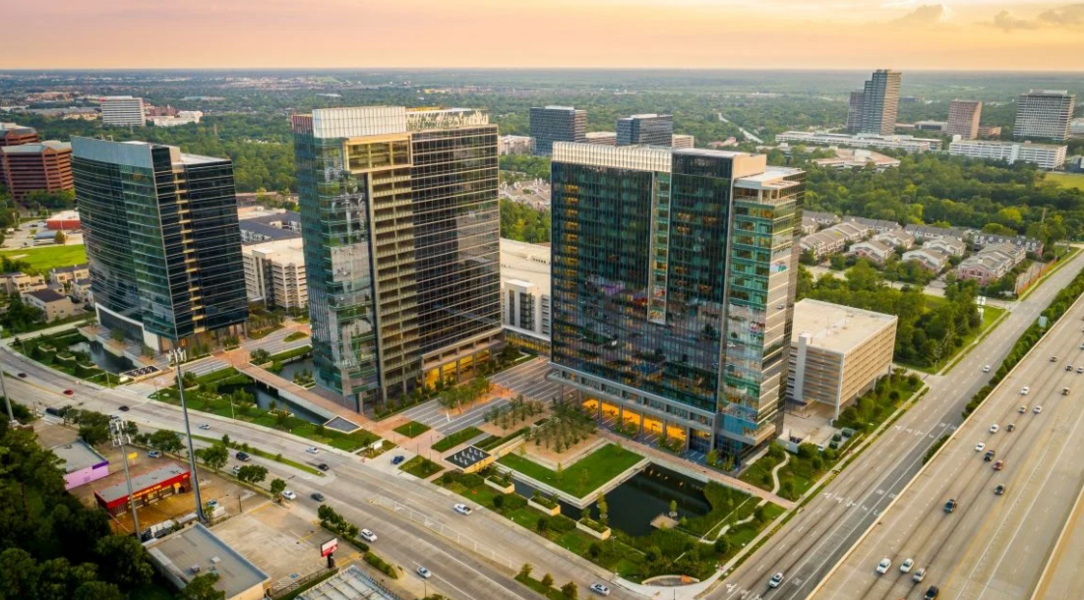
As investment patterns shift, so too will commercial landscapes. Houston, host to oil giants like Shell and TotalEnergies, has a long-established reputation as the US energy capital – but the complexion of that energy is changing. Since 2015, $2.6bn worth of VC has poured into the city, with the average VC deal quadrupling in value between 2016 and 2021.
A recipe for success
Houston’s momentum highlights that the leading energy hubs of tomorrow are underpinned by a vibrant commercial and innovation ecosystem today. Economics, policy and business overlap to help the region’s sustainable tech scene flourish, and as the diversity of companies that are placing roots there demonstrates, it is just getting started.
Start with economics. Low living costs make Houston a much more attractive place to start and grow a new business compared with traditional tech hubs like San Francisco. The city’s talent base is highly educated (with more than 20 universities and colleges in the surrounding region, producing 56,000 graduates annually) and growing (Houston’s population has grown by more than one million over the past decade). Its extensive infrastructure, built to store and transport energy, is being leveraged and adapted to make it fit for the changing needs of a growing energy transition hub. Little wonder nearly 800 companies have launched expansion and relocation projects in Houston over the past two years – including 80 energy tech start-ups from all over the globe.
Such increased expansion and relocation activity is ramping up thanks to enthusiastic input from the region’s industry leadership. The Houston Energy Transition Initiative (HETI), launched by the Greater Houston Partnership in 2021, sets out decisive action to accelerate global solutions for an energy-abundant, low-carbon future. HETI estimates that with bold action, Houston could gain 560,000 new jobs by 2050 and put the region at the epicentre of the global energy transition. HETI’s steering committee has set up sector-specific working groups in areas where Houston has a distinct competitive advantage: 1) Carbon capture, use and storage; 2) clean hydrogen; 3) industrial decarbonisation and 4) capital formation. With energy companies flocking to Houston in search of funding, these groups are greasing the wheels of commerce; the capital formation working group, for instance, will publish a white paper on energy transition investment later in 2022, offering a road map for Houston’s energy transition finance ambitions.
From individuals to ecosystem
This spirit of mutual support is bearing fruit. “We look forward to catalysing the Houston ecosystem’s support for climate-tech start-ups as we work together towards a sustainable future for all,” said Emily Reichert, CEO of Greentown Labs, North America’s largest climate-tech and cleantech incubator. Reichert’s announcement of a Greentown Labs campus in Houston marked the incubator’s first expansion outside its Boston base. Following its launch on Earth Day 2021, it now provides resources, lab facilities and networking opportunities for more than 60 Houston companies. With over 40,000ft2 of space, there is room for many more.
Greentown Labs is not alone. Other start-up development organisations such as the Rice Alliance Clean Tech Accelerator and Eunike Ventures offer capital and mentorship to help dozens of energy tech companies in the Houston area scale up. Coworking spaces and networking events organised at The Ion’s sprawling innovation complex are helping start-ups to collaborate – and big business is getting in on the act: Halliburton Labs and Equinor and Techstars Energy Accelerator lay on mentoring and expansion opportunities for Houston’s ever-growing roster of clean energy start-ups. It points to what makes Houston’s energy transition ecosystem so powerful: commercial groups turn up looking to leverage the region’s unique benefits, then help it to grow further by bringing their own expertise and impetus to innovate.
An inflow of young, growing businesses shows the ecosystem is working. A prime example is Solugen, a biochemical manufacturer pioneering low-carbon techniques to turn corn syrup into raw components for industrial chemicals. Founded in 2016, the company was runner-up in Fast Company’s 2022 list of the World’s Most Innovative Companies, and is already valued at $1.8bn. According to cofounder Gaurab Chakrabarti, relocating to Houston helped fuel Solugen’s rapid ascent. “Our margins were 70–80% compared to 20% in Silicon Valley, and we thank Houston for that,” he says. “While we have offices in Boston and elsewhere, we have found the best entrepreneurs in Houston, allowing us to scale up in a timely manner compared to what would have taken years in Silicon Valley.”
Solugen is not alone. Cemvita Factories’ novel technology, which captures and converts carbon emissions into usable fuels and chemicals, has received financial backing from Mitsubishi Heavy Industries, Sumitomo Corp of America and Occidental Petroleum Corp. Syzygy Plasmonics is developing new techniques to power chemical reactors with LED light rather than heat, massively reducing industrial carbon emissions. The company has just announced a joint-development project to produce green hydrogen in South Korea via electrical chemical reactors. The cutting-edge plasmonics and nanotechnology science it will deploy is the culmination of decades of collaboration with Houston’s renowned Rice University.
As Houston’s clean energy ecosystem expands, the message to budding entrepreneurs from those already benefitting is clear: it could help you too. “I think a lot of international investors are looking at our start-up scene,” says Trevor Best, cofounder and CEO of Syzygy Plasmonics. “I think that if the next few years go right, Houston can absolutely solidify its position not only as the energy capital of the world but as the energy transition capital of the world as well.” Houston’s blueprint for supporting the energy transition is clearly paying off; business leaders cannot afford to miss out.