Odisha has a rich and diverse handloom heritage, with a
long history of weaving that reflects the state’s cultural and artistic
vibrancy. The handloom sector of Odisha is renowned for its distinct and
intricate fabrics, such as the famous Ikat, Sambalpuri, and Bomkai textiles,
which are admired globally for their craftsmanship and unique designs. These
textiles are not only an integral part of the state’s cultural identity but
also a significant contributor to its economy. The handloom industry continues
to expand, with increasing international demand for Odisha's handwoven fabrics,
showcasing the growing recognition of its traditional textiles worldwide.
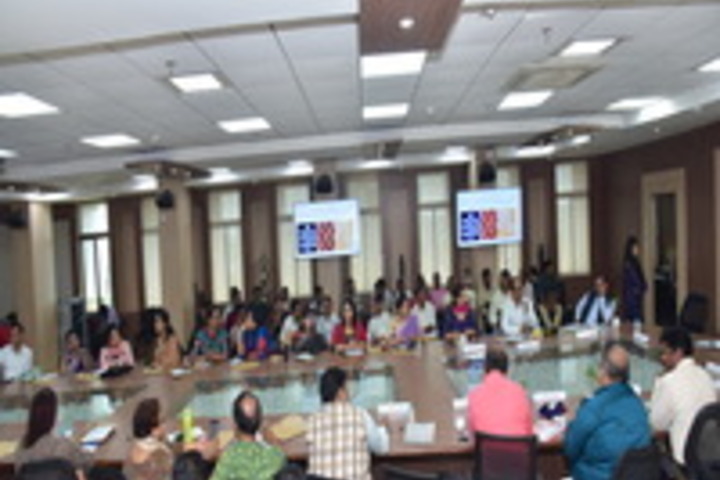
Seminar on Handloom Exports from Odisha was successfully
organized by the Handloom Export Promotion Council (HEPC) in Chennai, with the
valuable support of the MSME Department, Government of Odisha, and facilitated
by the World Trade Center Bhubaneswar. This event aimed to explore
opportunities, challenges, and strategies for expanding the handloom sector's
export potential from Odisha, one of India’s most significant regions known for
its rich handloom heritage.
The seminar gathered key stakeholders including
government officials, industry experts, handloom producers, exporters, and
international buyers, all of whom came together to discuss the sustainable
development of Odisha’s handloom exports.
The event commenced with an inaugural address by Dr.
M. Sundar, Joint Director of the Handloom Export Promotion Council (HEPC),
Chennai. He emphasized the growing demand for handloom products worldwide
and the unique position that Odisha’s handloom sector holds due to its distinct
weaving techniques and cultural heritage. Dr. Sundar also spoke about the
pivotal role of HEPC in promoting handloom exports from India, particularly
from states like Odisha. He highlighted the Council's efforts in facilitating
market access, organizing trade fairs, and providing financial and technical
support to handloom exporters. His address underscored HEPC’s commitment to
enhancing the global reach of India’s handloom products, boosting the
industry’s competitiveness in international markets.
Following this, Smt. Guha Poonam Tapas Kumar, IAS,
Commissioner-cum-Secretary, Handlooms, Textiles & Handicrafts Department,
Government of Odisha, delivered a keynote address highlighting the state
government’s initiatives to support the handloom industry, including financial
assistance, skill development programs, and export facilitation services. Smt.
Kumar discussed the various export benefits available for handloom exporters,
focusing on the government’s role in facilitating market access and reducing export
barriers. She highlighted the importance of leveraging international demand for
India’s handloom products and ensuring that local artisans benefit from these
global opportunities. She also emphasized the significance of retail marketing
in expanding the global reach of handloom products.
Shri. T Ramalingam, Assistant Director,
Weavers Service Centre, Bhubaneswar shared the various schemes
implemented by the Ministry of Textiles (MoT) for the promotion and development
of the handloom sector in Odisha. Shri Ramalingam highlighted Integrated
Handloom Development Scheme (IHDS), which supports the creation of
infrastructure and skill development for handloom cluster, Handloom Marketing
Assistance (HMA), providing financial support for marketing and promoting
handloom products at both national and international platforms and Scheme for
Capacity Building in the Handloom Sector, which provides training to weavers to
enhance their skills and diversify their product range.
Shri. A.K. Saha, Branch Head, NHDC Ltd.,
Bhubaneswar deliberated on the Raw Materials Supply
Scheme, highlighting how NHDC ensures a steady supply of essential raw
materials like cotton, silk, and wool for Odisha's handloom industry. He
emphasized the importance of affordable, high-quality raw materials to boost
production efficiency. Shri Saha explained how the scheme facilitates bulk
procurement and cost subsidies, making handloom products more competitive in
domestic and international markets. He also stressed the need for long-term
planning to avoid supply disruptions and ensure consistent access to materials
for weavers.
Prof. Dr. Binaya Bhusan Jena, Department of
Fashion Management Studies (FMS), NIFT, Bhubaneswar deliberated
on the importance of colour trends in the export market. He emphasized that
understanding and incorporating global colour trends is crucial for handloom
products to remain competitive in international markets. Prof. Jena explained
how colour preferences vary across different regions and consumer segments, and
how adapting to these trends can help Odisha’s handloom products appeal to a
broader audience. He also highlighted the role of colour in product
differentiation and branding, underlining its significance in increasing the
export potential of handloom textiles.
Shri. Pradip Dash, Junior Investigator,
Textile Committee, Bhubaneswar spoke about the IHB (Indian
Handloom Brand) and the Handloom Mark. He explained the significance of these
certifications in ensuring the authenticity and quality of handloom products.
Shri Dash highlighted how the IHB serves as a mark of excellence, promoting the
global recognition of Indian handlooms, while the Handloom Mark ensures that
the products are genuine handwoven textiles. He emphasized that these
certifications help enhance the credibility of handloom products in both
domestic and international markets, increasing consumer trust and boosting
exports.
Shri. Bibhuti Bhusana Dash, IOFS, Special
Secretary, MSME Department, Government of Odisha
also joined the session as an esteemed dignitary.
The Seminar on Handloom Exports from Odisha provided a
valuable platform for dialogue among key stakeholders in the handloom sector.
The event successfully facilitated the exchange of ideas and strategies to
improve the export potential of Odisha's handloom industry. The collaboration
between the Handloom Export Promotion Council (HEPC), the MSME Department,
Government of Odisha, and the World Trade Center Bhubaneswar was instrumental
in creating an environment conducive to the growth of the industry.
As we concluded the event, Smt. Nimeshika Natarajan,
Assistant Director of the World Trade Center Bhubaneswar, delivered the
vote of thanks. She expressed heartfelt gratitude to all the distinguished
speakers, panellists, delegates, and handloom producers for their valuable
contributions to the seminar.
In her speech, Smt. Natarajan emphasized the importance
of collaboration between the government, private sector, and artisans to
promote the handloom sector globally. She acknowledged the efforts of the
Handloom Export Promotion Council (HEPC), the MSME Department, and the World
Trade Center Bhubaneswar in making the seminar a success. She further extended
her thanks to the participants for their enthusiasm and engagement, and
concluded by expressing hope that the event would lead to meaningful actions and
growth in the handloom export industry of Odisha.
The seminar concluded with a call to action for continued
support for handloom artisans, increased government incentives for exporters,
and enhanced collaboration between industry players. The stakeholders expressed
optimism that with the right strategies, Odisha’s handloom exports could see
significant growth in the global market.
The event was held on Thursday, 13th
March 2025 at IDCO Conference Hall, Bhubaneswar.